
Website Development Services in the UK
Cloudex Marketing provides website development services in the UK built around what you need to do and what your business needs to achieve. We define the journeys, structure, functionality and integrations first, then choose the technology capable of supporting them. SEO, responsive performance, tracking and conversion paths are considered before launch. Not treated as problems to solve afterwards.
We Start It With Your Business, Not Just The Platform
We Don’t Start With WordPress. We Start With What the Website Needs to Do. A website project should not begin with a developer’s favourite CMS. Cloudex Marketing first understands your business model, customers, acquisition channels, content, conversion events, internal workflows, and future plans. Those requirements tell us what the website needs to support. Only then do we decide which platform, functionality, and development approach make sense.
What Customers Need
Your customers should be able to understand where they are, find what they need, and complete the intended action without fighting the website. Clear navigation and page journeys, Fast & responsive mobile experiences, Useful information in the right order, visible trust and decision-making information, & simple enquiry, booking, or checkout flows. We map those requirements around how people actually need to use the website, not around what is easiest to fit into a pre-existing template.
What Your Business Needs
Behind the customer journey sits another set of requirements. The website needs to capture information, support marketing, and connect with the systems your team uses after someone converts. Leads, sales or bookings, CRM and customer data, content management, analytics and conversion tracking, integrations and automation, and room for sensible future growth. We define those operational requirements before recommending the build. The platform is a consequence of the requirements, not the starting point.
What Do You Get With Our Website Development Services in the UK
Cloudex Marketing delivers professional website development services around the requirements of each project rather than forcing every business into the same technical package. Your functionality, content, customer journeys, integrations, and future plans determine what needs to be developed and which capabilities belong in the final scope.
 Custom Website Development
 Custom Website Development
Our custom website development is for projects where standard themes, plugins or platform functionality cannot adequately support the requirement. We can develop business-specific interfaces, frontend and backend functionality, integrations and scalable structures where genuine customisation is justified.
Custom does not automatically mean better. We recommend custom website development UK businesses need when the functionality warrants the additional development, not because bespoke code sounds more premium.
WordPress & CMS Development
 WordPress & CMS Development
A CMS should make normal website management easier without sacrificing the structure and functionality the business requires. Our WordPress development services can include custom layouts, reusable components, manageable content structures, permissions, and functionality built around how the website will actually be maintained.
We approach CMS website development with both the visitor and the people managing the website afterwards in mind.
 Ecommerce Development
Ecommerce website development needs to connect product discovery with the systems behind the purchase. Depending on the project, this can include catalogue architecture, product and category pages, cart and checkout journeys, payments, customer accounts, analytics and relevant operational integrations.
Where Shopify suits the actual requirements, our Shopify website development can provide the platform-specific implementation.
Website Redesign & Migration
 Website Redesign & Migration
A redesign can become a migration as soon as URLs, content, architecture, CMS or technical implementation materially change. We plan website redesign and development around both what needs improving and what the existing website has already earned.
That means considering valuable URLs, rankings, content, backlinks, redirects, analytics and indexation during the rebuild instead of discovering those dependencies after the new website launches.
Integrations & Automation
Integrations & AutomationA conversion is rarely where the business process ends. We plan website integrations around what should happen after someone enquires, purchases, books or submits information.
Where supported by the project, that can include CRM integration, API integration, payment systems, booking platforms, analytics, marketing tools and workflow automation. The objective is a useful business flow, not adding integrations simply because the technology exists.
Performance, Security & Technical Foundations
Performance, Security & Technical FoundationsOur responsive web development considers how the website behaves across devices alongside its performance, technical foundations and maintainability. Depending on scope, we assess Core Web Vitals, frontend delivery, caching, browser compatibility, security configuration and other factors affecting the working experience.
Website performance optimisation is approached practically. We improve meaningful constraints rather than promising arbitrary perfect PageSpeed scores.
Get A Quote Built Around Your Requirements
Tell us what the website needs to do, which systems it must connect with, and where your current setup falls short. We’ll scope the right development support around your project.
SEO Isn't Something We Add After Development
Building a website first and fixing its search foundations afterwards creates avoidable work. As an SEO-led website development company in the UK, we consider how search engines will discover, understand, and navigate the website while its structure is being planned. Development alone does not guarantee rankings, but it should not create unnecessary barriers to them either.
Search Architecture
We use search demand alongside customer journeys to shape how services, products, categories and supporting content fit together. Page purpose, URL structure, hierarchy and internal linking are considered before the architecture is locked in. Where individual pages require deeper optimisation, our on-page SEO services take the work further.
Technical Search Foundations
We build with the technical requirements of search in mind, including crawlability, indexability, canonicals, redirects, XML sitemaps, robots directives, metadata capabilities and structured data where relevant. For websites requiring deeper investigation, our technical SEO services address more complex search and technical issues. Our SEO approaches influence how the website is built, not become another repair job after launch.
Protect What Your Existing Website Has Already Earned
An existing website can carry years of rankings, indexed pages, backlinks, content, and organic traffic. When a redesign changes URLs, architecture, content, or CMS, we treat website migration as part of the development process so valuable search signals are considered rather than accidentally discarded.
Before
We establish what needs protecting before development changes anything. We crawl the existing website and review important URLs, indexed pages, organic landing pages, rankings, backlinks and priority content. Where deeper investigation is needed, our SEO audit service provides a broader view of existing search performance.
During
We map the existing website against the new structure while development is underway. URLs, content, metadata, canonicals, staging controls and redirects are planned deliberately, deciding what should remain, change, consolidate or move.
Launch
We validate what actually reaches the live website. That includes relevant 301 redirects, canonicals, robots directives, XML sitemaps, indexability, internal links, analytics and Search Console rather than assuming the development configuration transferred correctly.
Monitor
We continue watching indexation, crawl errors, redirects, broken links, rankings and organic traffic, while search engines process the new website. We cannot promise zero ranking movement during migration, but we can manage the risk, protect valuable signals, and identify unexpected problems quickly.
How We Take a Website From Idea to Launch
Every project has different requirements, but our development process keeps the decisions in the right order, from understanding what the website needs to achieve through to validating what actually reached the live environment.
Discover
Understand the business, users, requirements, marketing channels, and commercial role of the website.
Architect
Plan page structure, functionality, platform, integrations and the required data flows.
Design
Translate approved journeys and requirements into the interfaces needed for the experience.
Develop
Build the approved experience into a responsive, manageable, and reliable working website.
Test
Check functionality, devices, browsers, SEO foundations, tracking, integrations, and relevant performance.
Launch & Improve
Deploy carefully, validate the live environment, and monitor how the website behaves afterwards.
The Four Pillars Behind a Website That Converts
A reliable website starts with clear requirements, sensible architecture, dependable development, and a launch that works beyond the staging environment.
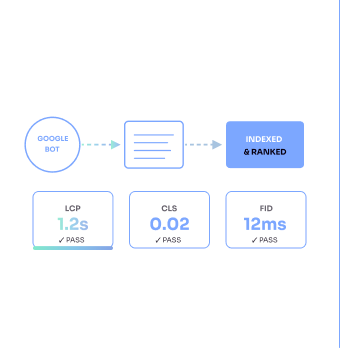
Requirement-Led Planning
We define what customers and the business need from the website before deciding what technology should sit underneath it.
- Map the actions visitors need to complete across key journeys.
- Identify the data, systems, and workflows triggered after those actions.
- Separate essential functionality from features that add complexity without solving a real requirement.
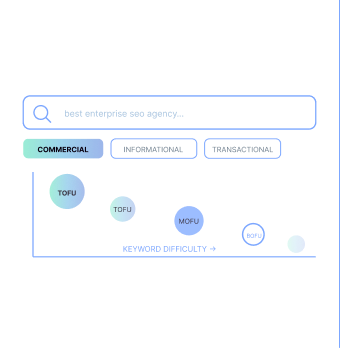
Scalable Website Architecture
We structure pages, content and functionality so the website makes sense today without becoming difficult to extend tomorrow.
- Organise services, products, categories and supporting content around clear relationships.
- Plan reusable templates and components instead of rebuilding common elements repeatedly.
- Account for SEO, navigation and future expansion before development locks the structure in.
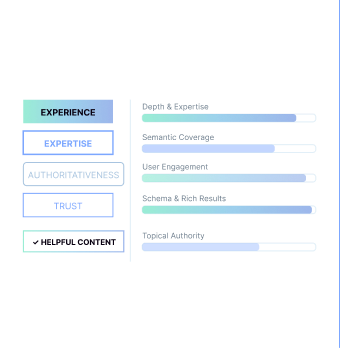
Reliable Functional Development
We build the interactions and systems the project depends on, then make sure they behave properly across the environments where customers actually use them.
- Develop forms, ecommerce, bookings, accounts and custom functionality around defined requirements.
- Connect relevant CRMs, payment systems, APIs, analytics and business tools.
- Test important functionality across devices, browsers and realistic user journeys.
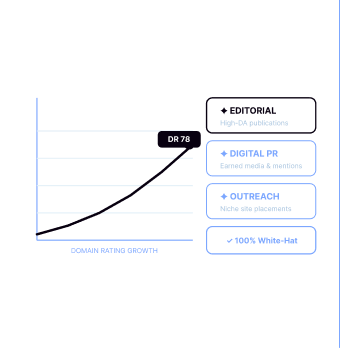
Launch & Operational Readiness
A website is not finished because the development environment looks complete. It needs to survive launch and work reliably in the real business.
- Validate search, tracking, integrations, redirects, and customer journeys on the live website.
- Check content, assets, responsive behaviour and production configuration before sign-off.
- Monitor post-launch performance and address issues revealed by real-world usage.

60-Day Website Performance & Delivery Commitment
During the first 60 days of an active development project, you will have clear visibility into what is being built, why each requirement exists, and how progress is moving against the agreed scope. We keep decisions, dependencies, and implementation status transparent throughout delivery. If agreed development work does not meet the functional standard defined in scope, we correct it without charging again for the same requirement.
Turn More Website Visits Into Real Business
A good website should do more than look impressive. Cloudex Marketing builds clear customer journeys, removes unnecessary friction, and makes important actions easier to complete, helping turn more of your website traffic into enquiries, bookings and sales.
Development Without the Expensive Rework
Good development decisions reduce the number of problems you need to discover after launch. Cloudex Marketing works backwards from what the website needs to accomplish instead of starting with whatever is easiest to build. A finished website is not the standard. A website built around what the requirement is.
What We Do
Requirements Before Platform
We establish what the website needs before choosing the technology.
SEO During Architecture
Search implications are considered while URLs and page relationships can still be planned properly.
Business Workflows
Forms, bookings, ecommerce, tracking, and integrations connect with what happens after the visitor acts.
Launch Validation
We test the live environment and verify the implementation relevant to the project.

What We Avoid
CMS by Default
Every project gets pushed towards the agency’s preferred platform.
SEO After Launch
Structural search problems become another project once development is finished.
Frontend in Isolation
The website looks finished while customer data still creates manual work behind it.
Upload and Leave
Going live becomes the finish line regardless of what actually reached production.
Our Solutions That Make Your Website Business-Ready
Most expensive website problems begin with an early decision that was never properly challenged. We fix the cause instead of covering the symptom later.
01 Project Requirements The Build Started Before Anyone Defined What It Needed to Do
The Problem
Pages and features are being developed before customer journeys, business workflows, and project requirements have been clearly established.
Our Solution
We define users, actions, functionality, integrations, and operational needs first, then use those requirements to shape the build instead of improvising later.
02 Platform Selection The Website Is Being Forced Into the Wrong CMS
The Problem
A platform was chosen because the developer prefers it, even though its limitations now make normal functionality difficult or unnecessarily expensive.
Our Solution
We compare the actual requirements with platform capabilities, maintenance needs, and plans before recommending WordPress, Shopify, custom development, or another approach.
03 Website Architecture The Site Has Grown Without a Clear Structure
The Problem
Services, products, and content have been added wherever convenient, leaving navigation confusing and important areas disconnected from the wider website.
Our Solution
We reorganise the architecture around real content relationships, user journeys, and future growth so expansion does not create another structural problem later.
04 Integrations Your Website and Business Systems Do Not Talk to Each Other
The Problem
Customer information needs to be moved manually between the website, CRM, booking platform, email system, or another business tool.
Our Solution
We map what data needs to move, when it should move, and which system owns it, then build integrations around that workflow where technically appropriate.
05 SEO Foundations The New Website Creates Search Problems Before It Launches
The Problem
URLs, internal links, indexation controls, and metadata capabilities are considered only after development, turning preventable structural mistakes into another SEO project.
Our Solution
We account for crawlability, page relationships, URLs, redirects, and relevant search requirements while architecture and development decisions can still be changed properly.
06 Website Migration The Redesign Replaced URLs That Were Already Performing
The Problem
Existing pages, rankings, and backlinks disappear during a rebuild because nobody mapped what the old website had already earned before changing its structure.
Our Solution
We inventory valuable URLs and search signals before launch, map required redirects, and validate the live migration rather than assuming the new structure will inherit everything automatically.
Website Perfection Before Launch
A website working correctly during development does not guarantee it will behave the same way once live. Before and around launch, Cloudex Marketing checks the functionality, customer journeys, search foundations, tracking, and live environment relevant to the project. The checklist changes with the build because an ecommerce store, booking website, and lead-generation site do not need identical QA.
Functionality & Journeys
We test the interactions customers rely on, including forms, buttons, bookings, checkout flows, website search, account functionality, links and relevant error handling. The goal is to make sure important journeys work properly from entry through to completion.
Devices & Performance
We check responsive behaviour across relevant screen sizes and major browsers, alongside loading performance and Core Web Vitals where applicable. This helps us catch problems that may only appear on particular devices, browsers or live pages.
SEO & Tracking
We verify relevant search and measurement foundations, including indexability, canonicals, redirects, XML sitemaps, robots directives, metadata, internal links, GA4, and agreed conversion events. We make sure the live website can be discovered correctly and important actions can be measured.
Content & Live Environment
We check for broken assets, missing imagery, placeholder copy, formatting problems, and incorrect business details while validating relevant live-environment requirements such as SSL, caching, and backups. Our final QA checks what customers and search engines actually encounter, not simply whether the code deployed successfully.
KPIs To Analyse, Decide, & Implement
Development progress is not just pages completed. We monitor whether the website works reliably, performs properly, and supports the actions it was built to handle.
Are Agreed Requirements Actually Moving Towards Completion?
We monitor delivery against approved functionality and dependencies instead of judging progress by the number of screens that look finished.
| KPI | What It Tells Us | Why We Monitor It | What It Can Change |
|---|---|---|---|
| Requirement Completion | How much of the agreed functional scope has been implemented. | Keeps delivery connected to actual project requirements. | Development priorities and release planning. |
| Blocked Dependencies | Requirements waiting on content, access, third parties, or decisions. | Exposes what is preventing progress. | Escalation, sequencing, or client input. |
| Rework Rate | Work that requires substantial rebuilding after review. | Can expose unclear requirements or weak implementation. | Discovery, QA, or development process changes. |
| Milestone Readiness | Whether each project phase meets its agreed exit criteria. | Prevents incomplete work from simply moving forward. | Hold or release the next stage. |
Do the Important Website Journeys Work From Start to Finish?
We test the actions customers rely on rather than assuming individual components working means the whole journey works.
| KPI | What It Tells Us | Why We Monitor It | What It Can Change |
|---|---|---|---|
| Critical Journey Pass Rate | Whether priority forms, bookings, purchases, or flows complete successfully. | These actions are central to the website’s business purpose. | Immediate bug or workflow fixes. |
| Form Submission Success | Whether submitted information reaches the intended destination. | A visible success message does not prove the lead arrived correctly. | Form, email, or CRM troubleshooting. |
| Integration Success Rate | Whether connected systems exchange required information reliably. | Broken integrations create invisible operational failures. | API, authentication, or workflow fixes. |
| Error Frequency | How often functional errors appear during testing or live use. | Helps identify unstable areas of the build. | Further QA or code-level investigation. |
Is the New Website Preserving the Search Foundations It Needs?
We monitor whether search engines can discover the intended site and whether a rebuild protects important existing visibility where applicable.
| KPI | What It Tells Us | Why We Monitor It | What It Can Change |
|---|---|---|---|
| Indexable URL Accuracy | Whether intended pages can be crawled and indexed correctly. | Prevents launch configuration from hiding important content. | Robots, canonical, or indexation fixes. |
| Redirect Success | Whether retired URLs resolve to appropriate new destinations. | Protects users and existing search signals during migrations. | Redirect mapping corrections. |
| Redirect Success | Whether retired URLs resolve to appropriate new destinations. | Protects users and existing search signals during migrations. | Redirect mapping corrections. |
| Organic Landing-Page Stability | How important search-entry pages behave after launch. | Helps identify unexpected migration loss. | SEO or migration investigation. |
| Search Console Errors | New crawl or indexing problems after deployment. | Reveals issues search engines encounter in production. | Technical fixes and validation. |
Is the Website Supporting the Outcome It Was Built For?
Once the website is technically reliable, we monitor whether people can use it to complete the actions that matter to the business.
| KPI | What It Tells Us | Why We Monitor It | What It Can Change |
|---|---|---|---|
| Enquiry Completion | Visitors completing lead journeys. | Shows whether lead-generation functionality is doing its job. | Journey, form, or messaging improvements. |
| Booking Completion | Successful completion of appointment flows. | Identifies friction inside booking-led websites. | Scheduling or user-flow changes. |
| Checkout Completion | Whether ecommerce visitors complete purchases. | Tests the commercial reliability of the purchase journey. | Checkout, payment or UX investigation. |
| Conversion Rate | Proportion of relevant visitors completing the intended action. | Gives context beyond raw traffic or activity. | Further CRO, traffic-quality or journey analysis. |
Businesses We’ve Helped Grow With a Strong Website
Each case study shows why the website was edited, fixed, rebuilt, or revamped, what changed behind it, or whether the project improved anything meaningful. Cloudex Marketing’s development proof connects the original problem with the decisions, build, and verified outcome.
B2B SEO
B2B search journeys rarely end after a single visit. We build SEO around the questions, comparisons, and commercial searches decision-makers use from initial research through supplier selection. That means strengthening service pages, demonstrating expertise, developing supporting content, and creating clear paths towards enquiries. Keyword priorities are judged by commercial relevance, not traffic volume alone. For B2B companies with longer sales cycles, our SEO strategy connects organic visibility with qualified leads and pipeline, giving search a defined role in business development rather than treating rankings as the final result.

Ecommerce SEO
Ecommerce growth depends on connecting product demand with the right categories and products at scale. We structure ecommerce SEO around category architecture, product optimisation, faceted navigation, internal linking, duplicate-content control and commercial search intent. Instead of chasing traffic across thousands of disconnected keywords, we identify the searches closest to purchasing decisions and strengthen the pages capable of converting them. Technical health remains equally important as catalogues expand, ensuring search engines can crawl valuable URLs efficiently while low-value variations do not dilute the visibility of the pages responsible for generating sales.
SaaS SEO
SaaS search demand stretches from early problem discovery to feature comparisons and purchase decisions. We map those stages before deciding which landing pages, use-case pages, comparison content, and educational resources deserve investment. The strategy connects high-intent product searches with broader topics that establish expertise and introduce qualified prospects to the platform. Strong internal linking then moves authority and users towards commercially important pages. For SaaS businesses competing in crowded SERPs, we prioritise search opportunities based on product relevance, competitive gaps and their ability to contribute to trials, demos and qualified pipeline.
Professional Services SEO
Professional services depend on trust before a prospect sends an enquiry. We build search visibility around the services, problems and questions prospective clients investigate while deciding who has the expertise to help them. Service pages target commercial demand, while supporting content demonstrates subject knowledge and answers the concerns surrounding the decision. Authority, reputation and clear expertise become part of the same search strategy. Whether the business sells legal, financial, consultancy or specialist services, SEO is structured to attract relevant prospects and give them enough confidence to take the next step.
Lead Generation SEO
For businesses that depend on enquiries rather than online purchases, traffic only matters when it produces qualified prospects. We build SEO around the commercial searches customers make when they are actively comparing providers, requesting prices or looking for a solution. Service pages, supporting content, internal links and conversion journeys work together to move searchers towards calls, forms and consultations. Keeping the keyword strategy focused on attracting people with a genuine reason to contact your business and turning organic visibility into measurable opportunities.
Startups & Scale-Ups SEO
Growing businesses cannot afford to spread SEO investment across every possible opportunity. We identify the searches closest to your offer, build the commercial pages needed to capture them, and expand content around proven demand. For newer brands, the priority is establishing relevance and authority in the areas that matter before widening the strategy. This gives startups and scale-ups an SEO roadmap that grows alongside the business instead of committing resources to keywords, content, or markets before they can contribute meaningful commercial value.
Hear From Businesses We've Helped
See what clients say about working with Cloudex Marketing, from understanding their requirements and managing development to communication, implementation, and the finished website experience.
Alistair Vance

The strategy brought our website, content, and search work together, making our overall marketing feel much more focused.
Harry Williams
They brought structure to our marketing without making it complicated, and our website now supports growth more clearly.
Isla Davies
I liked that they never pushed services we didn’t need. The plan stayed practical, focused, and easy for our team to use.
Tony Brown
Clear Answers Before We Start Building Your Website
A website project creates bigger questions than which CMS or design style to choose. These answers clarify how Cloudex Marketing approaches scope, platforms, SEO, migration, timelines, and what happens after development.
What is included in your website development services?
Our UK website development services can cover discovery, architecture, development, CMS implementation, responsive functionality, relevant integrations, SEO foundations, tracking, testing, and launch. Design, content and other requirements should be confirmed within the individual project scope rather than assumed.
Can Cloudex Marketing build a new website from scratch?
Yes. Cloudex Marketing can plan and develop new websites around the business requirements, customer journeys, required functionality, content structure, integrations and marketing needs established during discovery. The platform is selected after those requirements are understood.
Can you rebuild an existing website?
Yes. We can rebuild existing websites where the current design, CMS, functionality, performance, structure, or wider implementation no longer meets the business requirement. Where material URLs, content, or architecture change, we also treat the project as an SEO migration rather than only a visual redesign.
Which platform should I use?
There is no universally best website platform. The appropriate choice depends on functionality, editing requirements, integrations, ecommerce needs, expected scale, budget, internal capability, and long-term maintenance. Cloudex Marketing recommends the platform around those requirements rather than choosing the requirement around our preferred CMS.
Will my new website be SEO-friendly?
SEO foundations are considered during development, where they form part of the project. That can include architecture, crawlability, URLs, internal links, metadata capability, structured-data capability, responsive implementation, and performance. SEO-friendly development reduces avoidable structural problems. It does not guarantee organic rankings.
How much does website development cost in the UK?
Website development costs depend on scope, design requirements, platform, number of templates, functionality, ecommerce requirements, integrations, migration complexity, content and the amount of custom development involved. Cloudex Marketing scopes the project around what needs to be built rather than forcing substantially different websites into arbitrary packages.
How long does it take to develop a website?
Development time depends on the project’s scope, design requirements, content readiness, functionality, integrations, feedback process, and migration complexity. Cloudex Marketing establishes the delivery requirements during scoping rather than advertising one timeline for websites that can vary substantially in complexity.
Will I own the website after development?
Yes. Once the project is completed and the agreed terms are fulfilled, the finished website belongs to you. Cloudex Marketing provides the relevant website access and handover details so your business is not unnecessarily locked into us simply because we developed the site.
Can I edit the website myself afterwards?
Where a manageable CMS forms part of the project, normal content areas can be structured for appropriate client editing. Exactly what can be changed depends on the platform, templates, permissions and functionality developed for the website.
Do you provide website support after launch?
Yes. Cloudex Marketing can continue supporting your website after launch, so you are not left to manage technical issues, updates, and ongoing requirements alone. We can help keep the website maintained, secure, and working as intended while handling agreed improvements as your business and website requirements develop.
Let’s Discuss a Strategy To Develop Your Website
Tell Cloudex Marketing what customers need to accomplish and what the business needs the website to produce. We’ll define the appropriate structure, platform, functionality, integrations, and search foundations before unnecessary development becomes part of the project.