
Generative Engine Optimisation Services
Get Your Brand Discovered in AI-Generated Answers
Your customers are asking ChatGPT, Google AI Overviews, Gemini, Grok, Perplexity, and more, for information, comparisons, and recommendations. Is your business part of those answers? Cloudex Marketing’s GEO services help make your website accessible, your expertise easier to reference, and your brand information more accurate across relevant sources.

A New Way to Be Discovered
Search Visibility Now Extends Beyond Rankings
Traditional search results direct customers towards websites. Generative engines can also answer their questions, compare solutions, and identify businesses within a single response. That changes what visibility means. Your brand can be mentioned, referenced through a citation, or linked as a source, even when the user doesn’t follow a conventional search result. Our approach of Generative Engine Optimisation connects established SEO principles with the requirements of AI-assisted discovery, without treating them as competing marketing strategies.

Understanding GEO
What Is Generative Engine Optimisation (GEO)?
Generative engine optimisation (GEO) is the practice of improving how a business and its content are discovered, understood, and represented in AI-generated answers. It involves assessing relevant user questions, website accessibility, factual content, external references, and observable citations. The objective is to increase opportunities for accurate brand mentions and useful source attribution. No optimisation can guarantee selection by an AI system.
What We Offer
Our GEO Services Include
Our GEO work covers the elements that influence whether AI-assisted search systems can find relevant information about your business and use it appropriately.
 GEO Audit and Visibility Analysis
 GEO Audit and Visibility Analysis
We assess how your brand appears across relevant AI platforms and commercially important questions. The audit examines existing mentions, citations, competing sources, and inaccurate information to establish a baseline and identify where improvement is needed.
AI Search Intent and Prompt Research
 AI Search Intent and Prompt Research
We research the questions customers ask when comparing solutions, investigating products and selecting providers. These are grouped by intent so that the strategy addresses meaningful purchasing decisions rather than a large collection of unrelated prompts.
 Content and Entity Optimisation
We improve how your website explains its services, products, expertise and relationships. This includes clearer factual descriptions, direct answers, useful supporting evidence and consistent information about your business.
Technical AI Search Readiness
 Technical AI Search Readiness
We assess important page accessibility, crawl controls, rendering, and relevant search-engine requirements. We also review AI crawler settings where appropriate, distinguishing visibility-related crawling from model-training permissions.
Brand Authority and Digital PR
Brand Authority and Digital PRWe identify opportunities to strengthen credible references to your business through relevant publications, expert contributions, industry resources, and legitimate digital PR. The focus is on useful external evidence, not manufactured mentions.
AI Visibility Measurement and Reporting
AI Visibility Measurement and ReportingWe monitor a defined set of relevant questions, record observable brand mentions and citations, and evaluate available referral and conversion data. Reports distinguish measured outcomes from estimates and explain what the findings mean.
Why GEO Matters
Your Next Customer Might Never See a Traditional Results Page
Be Considered During Research
Customers can ask AI tools to explain unfamiliar services, compare alternatives, or suggest suitable providers. Relevant inclusion can introduce your business earlier in that decision process.
Create Recognition Beyond Website Clicks
A brand mention can create exposure even without a referral visit. Where a citation or link is provided, customers also gain a route to investigate your business directly.
How the Technology Works
How Do Generative Search Engines Produce Answers?
Different platforms use different models and retrieval methods, but AI-assisted search can involve the following stages:
- Interpret the question. The system identifies the user’s request and relevant context.
- Find supporting information. When web retrieval is available, it can search for relevant documents and other sources.
- Evaluate retrieved material. The system selects information for the answer, sometimes drawing from several sources.
- Generate a response. A language model produces an explanation, recommendation, or comparison.
- Present references when available. Some systems display citations, source links, or other forms of attribution.
Not every answer involves a fresh web search. Some responses draw on previously learned information, and the cited sources can differ between otherwise similar requests.

AI-Led Traffic
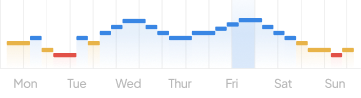
Cloudex Marketing Insights
How We Work
What Makes Cloudex Marketing Different?
Our GEO agency approach prioritises evidence, relevant business information and transparent measurement rather than unsupported claims about controlling AI answers.
How We Work
Buyer-Intent Research
Prioritise questions connected to real customer decisions.
Verified Business Information
Check facts against identifiable business evidence.
Practical Technical Checks
Assess actual crawling and search eligibility requirements.
Useful Content Improvements
Improve clarity without sacrificing depth or meaning.
Relevant External References
Pursue credible publications and genuine industry relevance.
Transparent Performance Evidence
Separate observed citations, referrals and commercial outcomes.

What We Avoid
Random Prompt Tracking
Count mentions across commercially irrelevant questions.
Unsupported Authority Claims
Invent expertise, results or business credentials.
Unnecessary AI Markup
Sell experimental files as guaranteed ranking factors.
Artificial Answer Stuffing
Rewrite every paragraph into mechanical question-answer fragments.
Manufactured Brand Mentions
Buy misleading mentions or manipulate review platforms.
Guaranteed AI Recommendations
Promise placement inside specific generated answers.
Our GEO Process
From Strategy To Implementation
Establish Your AI Visibility Baseline
Identify relevant questions, competing sources and existing brand appearances across selected platforms.
Diagnose the Important Gaps
Review missing information, content limitations, technical barriers and inconsistent business details.
Prioritise the Necessary Improvements
Select actions based on buyer relevance, available evidence and implementation requirements.
Implement and Verify Changes
Improve agreed assets, check published content and validate relevant technical corrections.
Measure and Refine
Compare observable changes against the baseline and adjust the next priorities.
GEO Content Requirements
What Makes Content Useful for AI-Generated Answers?
Clear, Direct Explanations
Important pages should explain what the business offers, who its services are for, and what customers need to know.
Supported Facts and Original Evidence
Real specifications, relevant research, expert insight, and documented experience give readers information they can verify.
Logical Information Structure
Descriptive headings, meaningful paragraphs, appropriate lists and clear page relationships improve accessibility and comprehension.
Relevant Comparisons and Decision Support
Useful comparisons, limitations, alternatives, and selection criteria help customers evaluate their options.
Accurate, Maintained Information
Time-sensitive information should be reviewed when products, processes, services, or supporting evidence change.
Turn Existing Content Into Better Resources
Your Website Might Already Have What AI Search Needs
A new publishing campaign isn’t always the priority. Your existing service pages, product information, case studies, and educational content could contain valuable facts that are difficult to discover or understand.
We evaluate your existing content to uncover three opportunities for improving AI search visibility:
- Improve Content Clarity: Make important facts easier to find and understand.
- Strengthen Existing Evidence: Highlight credible information, expertise, and real business experience.
- Fill Relevant Content Gaps: Create new pages only where important questions remain unanswered.

Technical Requirements
Can AI Search Systems Access Your Website?
Search Eligibility
We assess whether important pages meet applicable crawling, indexing, and search-result eligibility requirements.
AI Crawler Configuration
We review crawler permissions by purpose. For example, OpenAI’s search crawler and training crawler have different functions.
Rendering and Content Accessibility
Important information needs to be available in forms that relevant systems can retrieve and interpret.
Structured Data
We assess supported markup where it accurately represents visible content. No special schema guarantees AI citations.
Business Information Consistency
We check appropriate business profiles and relevant external references for outdated or contradictory information.
Emerging Technical Standards
We evaluate proposed technologies such as llms.txt against documented platform support. Google does not require or use this file for its search features.
SEO and GEO Together
How Is GEO Different From Traditional SEO?
Both rely on useful content, technical accessibility, and credible information. A separate GEO strategy should address a real visibility requirement, not reproduce work already covered by SEO.
Traditional SEO
SEO improves a website's relevance, accessibility and visibility in organic search results. Performance is assessed through search exposure, clicks, traffic, and commercial outcomes.
Generative Engine Optimisation
GEO focuses on the additional ways information is selected, described, mentioned, or cited in generated answers. Its measurement includes observed answer presence and available source attribution.
How Cloudex Marketing Protects Your Website
We reduce these risks through pre-migration audits, accurate URL mapping, redirect validation, and content preservation checks. Our team reviews critical pages before launch, verifies technical changes, and monitors search performance afterwards to identify and address issues before they cause further disruption.
What GEO Can Improve
The Business Opportunities Behind AI Search Visibility

Brand Discovery
Become a relevant option when customers explore unfamiliar businesses, products, or service categories.

Competitive Consideration
Provide meaningful information for comparisons involving your services and alternatives.

Source Attribution
Create opportunities for original research and expertise to be referenced in relevant answers.

Information Accuracy
Reduce inconsistent descriptions of your business across important public sources.

Referral Opportunities
Support customer journeys where AI systems provide links to useful business resources.

Stronger Search Content
Improve existing information that also supports conventional organic search and customer understanding.
Businesses We Work With
Who Can Benefit From GEO Services?

Professional Service Businesses
Make qualifications, service scope, and evidence accessible to people comparing specialist providers.
B2B and SaaS Companies
Support product comparisons, solution research, integrations and complex purchasing questions.

Ecommerce Businesses
Clarify product specifications, suitability, alternatives, and information used in buying decisions.

Specialist and Regulated Industries
Present precise, approved information with appropriate expertise, limitations, and supporting evidence.
Measuring GEO Performance
How Do We Ensure Whether GEO Is Working?
We measure AI search visibility through observable evidence, not a fabricated universal ranking score. Our reporting distinguishes:
- Brand mentions: Responses naming your business.
- Citations: Answers displaying your page as a source.
- Prompt coverage: Relevant tested questions where the brand appears.
- Competitive visibility: Observed appearances compared with selected competitors.
- AI referrals: Identifiable visits from supported AI platforms.
- Commercial outcomes: Enquiries or sales attributable through available tracking.
Google Search Console also provides reporting for supported generative AI search features. AI answers can vary between users, prompts, and platforms. Results from a sampled prompt set are therefore labelled as observations, not complete measures of market-wide exposure.

AI-Led Traffic
Cloudex Marketing Insights
Common Visibility Problems
Why Might Your Brand Be Missing From AI Answers?
Unclear Service Information
Your website uses broad marketing statements without explaining what customers can actually buy.
Conflicting Business Details
Relevant public sources describe different services, locations, or business information.
Missing Decision-Making Evidence
Important pages lack verified experience, supporting examples, or information needed for comparisons.
Limited Search Accessibility
Technical restrictions or inaccessible content prevent relevant retrieval systems from reaching useful pages.
Further Reading
Explore Our AI Search Guides
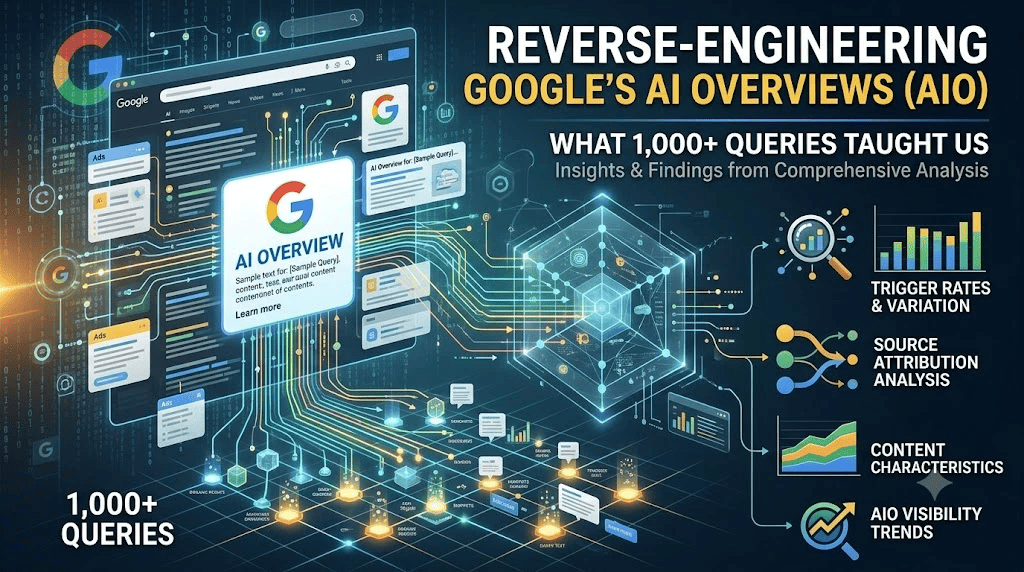
Understand how AI search works, how source selection can be studied, and which improvements deserve priority.
- November 11, 2026

- November 11, 2026
- November 11, 2026
Generative Engine Optimisation: Frequently Asked Questions
What Is Generative Engine Optimisation?
GEO is the practice of improving a brand’s discoverability and representation in AI-generated responses. It combines search research, technical accessibility, factual content, relevant external references, and visibility measurement.
Why Is GEO Important for Businesses?
Customers use AI-assisted tools to research options and make purchasing decisions. Relevant brand inclusion creates another opportunity for discovery, including journeys that do not begin with a conventional search-results click.
How Does GEO Work With SEO?
GEO extends existing search optimisation work by considering the ways AI systems retrieve and present information. Technical SEO, relevant content and external credibility remain important foundations.
What Is the Difference Between SEO, AEO and GEO?
SEO addresses organic search visibility. Answer engine optimisation (AEO) emphasises direct responses to questions. GEO considers how brands and sources appear within generated answers. These terms overlap and are not separate, universally standardised ranking systems.
Does GEO Replace Traditional SEO?
No. Google’s generative search features rely on established Search systems, and many GEO activities overlap with existing optimisation practices.
Can GEO Help My Business Appear in ChatGPT?
GEO can address factors relevant to ChatGPT search discovery, including accessible information and suitable crawler settings. It cannot guarantee that ChatGPT will mention or recommend your business.
Can You Guarantee Citations in AI Answers?
No. Generative systems select and present information independently, and their outputs can change. We evaluate observable results without promising control over individual answers.
How Long Does GEO Take to Show Results?
There is no universal timeline. Correcting inaccurate information can be completed quickly, while broader brand recognition and earned coverage require longer-term work. AI systems also vary in when they retrieve or update information.
What Content Works Best for GEO?
Clear service information, useful guides, factual comparisons, original research, documented examples, and expert explanations all have relevant applications. Format alone does not guarantee inclusion.
Do I Need Schema Markup or an llms.txt File?
Appropriate schema markup remains useful for supported search features, but Google does not require special AI schema or llms.txt for AI Overviews and AI Mode. Additional files should be considered only where a relevant platform documents a purpose for them.
Do AI Search Tools Always Cite Their Sources?
No. Attribution varies by platform, response, and retrieval method. An answer can mention a brand without providing a clickable reference.
What Types of Businesses Benefit From GEO?
Businesses whose customers research, compare, or ask questions about products and services have potential GEO applications. The scope should reflect the audience, competition, and actual search opportunities.
Is GEO Suitable for Small Businesses?
Yes, when relevant customers use AI-assisted discovery. A smaller business can begin with clear service information, consistent public details, and genuine evidence rather than a large campaign.
How Do You Measure GEO Success?
Relevant measures include sampled brand mentions, visible citations, identifiable AI referral sessions, and resulting conversions. These should be reported with clear collection methods and limitations.
Is GEO a One-Off Project or an Ongoing Service?
Both models are possible. A defined audit or technical correction can be delivered as a project. Continued monitoring, content maintenance, and authority development require an ongoing scope when justified.
Find Your Place in AI Search
Make Your Business Easier to Discover, Understand and Reference
Cloudex Marketing helps businesses assess their presence in AI-assisted search and identify the content, technical, and authority improvements worth making.
Start with the questions your customers ask and the evidence your business already has.